
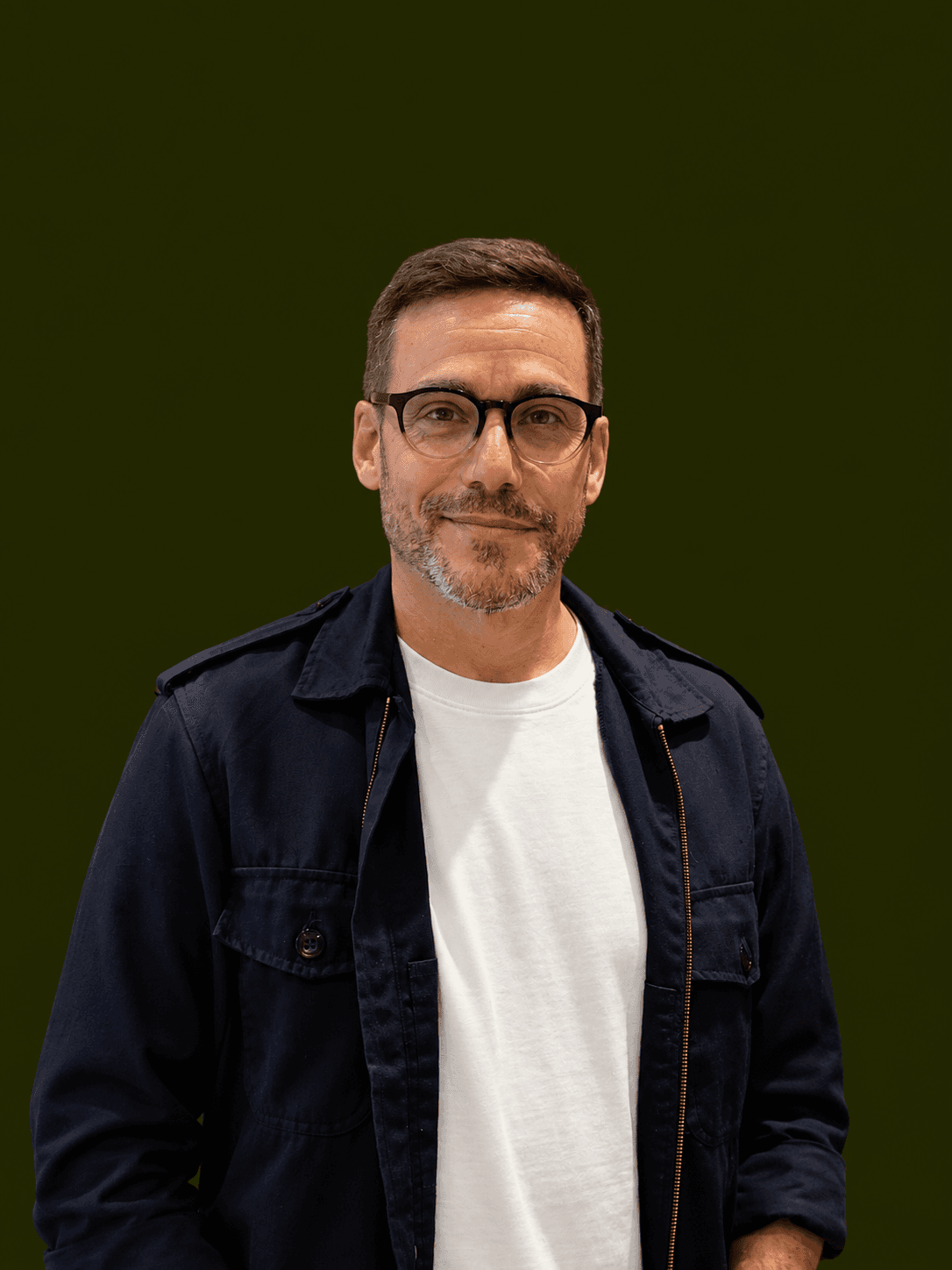
Sebastian Altmark
Clinical psychologist · Psychotherapist · OPQ member
Sebastian Altmark is a clinical psychologist and psychotherapist for adults and adolescents in Montreal. Trained in clinical psychology in Argentina, he worked across clinical, community and school settings before continuing his practice in Quebec, in private practice and in school settings. He works primarily from a relational psychodynamic approach, attentive to questions of identity, culture and belonging. He offers his services in French, Spanish and English.
My practice
Trained in clinical psychology in Argentina, my professional path has taken shape across different clinical, community, and school settings before continuing in Quebec. Today, I work with adults and adolescents, both in private practice and in school settings.
These experiences have shaped an approach in which I seek first to understand each person in their uniqueness: their history, certainly, but also their relationships, the contexts in which they grew up and live today, and the particular way they make sense of what they are going through.
People may begin psychotherapy because they are experiencing anxiety, depression, relationship or family difficulties, because they are going through a period of change, or because certain situations seem to repeat themselves despite their efforts to change them. But it is also possible to seek therapy without being able to clearly name what feels wrong: with a sense of no longer quite recognizing oneself, of struggling to find one's place, or simply with a need to better understand what is happening.
My work is not only about finding ways to make a difficulty disappear. I am also interested in what it can tell us about the person experiencing it: how they have come to be who they are, what they have lived through, the ways they have developed to protect themselves and relate to others, and what may now have become a source of suffering.
It is from this perspective that I work primarily within a relational psychodynamic approach. We are shaped by our history and experiences, but also by our relationships and the worlds to which we belong. Questions of identity, culture, gender, origin, belonging, or the experience of living between different worlds can therefore have a place in therapy when they are part of what a person is going through.
The relationship that develops in therapy is itself part of this work. It provides a space where certain ways of becoming close to others, protecting oneself, trusting, or finding one's place can gradually be recognized and understood. Together, we can work not only toward putting words to what is causing distress, but also toward opening new possibilities for understanding oneself, relating to others, and experiencing differently what had previously seemed difficult to change.
Specialties
Education
- Training in clinical psychology, Argentina
- Member of the Ordre des psychologues du Québec (OPQ)